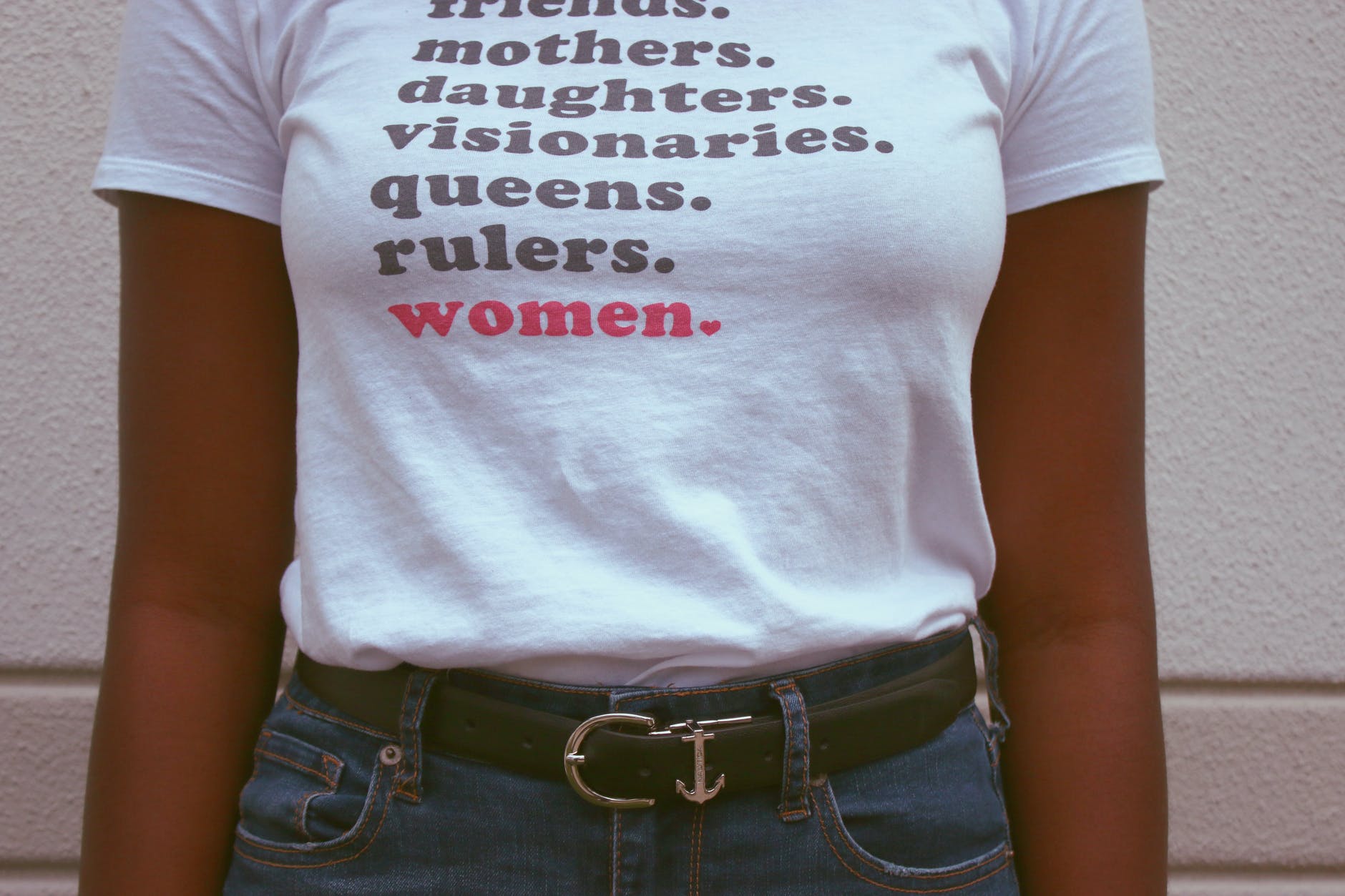
Equality. Diversity. Inclusion. Equity. These are the driving forces in all that I do. I recognize (as do many) the benefit of ensuring equality (among gender, race, religion, etc.) on individuals, communities, and global economic success. According to the Clinton Foundation, “as much as $28 trillion, or 26%, could be added to the global GDP by 2025 if women played an identical role in the formal labor markets to that of men.” Beyond the economic benefits of promoting women, society’s proposer and grow when they promote equality and diversity of all kinds. Equality and inclusion are necessary to address the challenges of modern society which include reducing poverty, promoting sustainable development, and building good governance.
Yesterday marked the International Day of the Girl. This recognition day is meant to support the establishment of more opportunities for girls and increase awareness of gender inequalities across the world. The inequalities women face include access to education, nutrition, legal rights, medical care, and protection from discrimination, violence, and forced marriages. To truly establish a strong economy and society, the preconceived notion of girls as “lesser than boys” need to be forgotten, instead, women need to take their place next to men and be integrated into every thread of global policy, programming, campaigning, and research. As a nation and interconnected world, we should stand by the leadership and resiliency of true leaders like Malala Yousafzai, Michelle Obama, Melinda Gates, Ruth Bader Ginsburg, and countless others.
I am a strong advocate of women’s rights and a feminist in that I believe every girl should be allowed to chase their dreams and use their voice without persecution or fear. Yet, despite considerable headway, I am deeply disappointed to see where the United States and many other countries are in 2020. I recognize the gender inequalities globally, as I have spent years working with impoverished students in Cambodia and spent the past few years researching the gender inequalities across the world. I have seen the inequalities girls (and women) face in education (especially in STEM), in legal protections (reproductive rights), in the household (with men being in control), in medical care, and discrimination and violence (domestic abuse, sexual harassment, and unequal pay). In the United States, we are often considered a “nation of equals,” yet that is far from the case. Women are held to a greater standard than men, receive less than men on average, have fewer rights, and the list goes on and on. For women of color or those that identify as LGBTQA+, the rights are even further diminished. God created all equally, so how can one treat any gender, race, or religion less than another? I am sickened to see the state of inequality and lack of inclusion in the United States, especially now with our current political leaders.
Over the past 100, 50, 30, and even 10 years women have had monumental victories and have won hard-fought battles, only to be backtracked by the words and actions of President Trump, amongst others. Trumps’ behavior and use of derogatory words like “ugly,” “disgusting,” “extremely unattractive,” etc. and attacks on women’s physical attributes further the disrespect and inequities women face. This in and of itself, has effectively reversed many of the successes of past decades. During Trump’s presidency, he has cut international funding for women’s rights and reproductive health. In this, he cut funding to the United Nations Population Fund which provides family planning and reproductive services to more than 150 countries globally. And no, cutting funding for women’s reproductive rights did not only limit legal abortions, but did away with contraceptives for women to combat maternal mortality, female genital mutilation, and sexually transmitted diseases, resources for expectant mothers, and help for women in abusive relationships or those that are single mothers. Trump’s administration has blocked laws to promote equal pay in the workplace, by doing away with “unnecessarily burdensome” reporting on salary based on race and gender for companies with over 100 employees. Furthermore, he has limited the appointment of women in his administration. Within this, he disbanded the White House Council on Women and Girls (set up by Obama) which was created to ensure women’s needs were considered when drafting policies and laws. President Trump has also censored terminology from government agencies, forbidding words and content related to women’s health like evidence-based, transgender, diversity, lesbian, bisexual, contraception, abortion, and sex education from health agency websites. This list goes on and on. Despite the progress made in previous administrations, women face great inequalities and less inclusion. But that does not mean we cannot change it.
Whether male, female, or non-binary we must FIGHT to be included and have our voices heard. Whether unfavorable or “aggressive” we have a moral obligation to stand up and not let our politicians make us feel less than we are. We all have the power and conviction within us to make a change. I ask you to consider your upcoming decision as it will have a life-altering effect on over half of the world’s population and has the potential to drastically reduce the economic and societal success of the world for years to come. This is our time, please VOTE based on facts and show you care about your mothers, wives, daughters, and friends.

