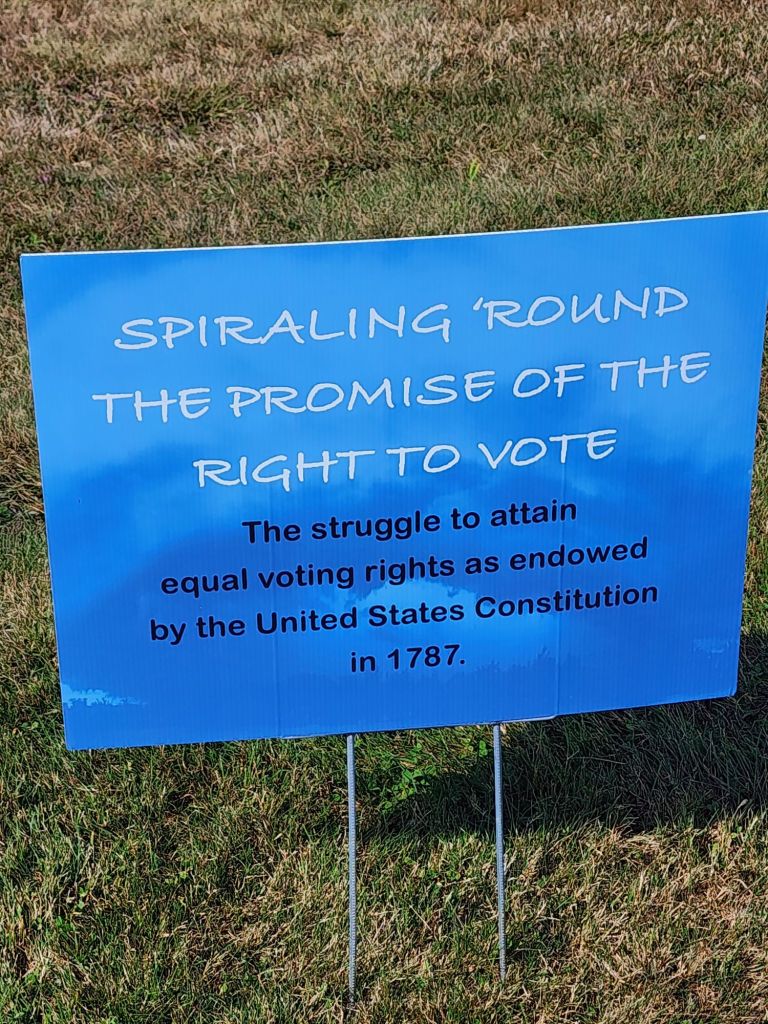
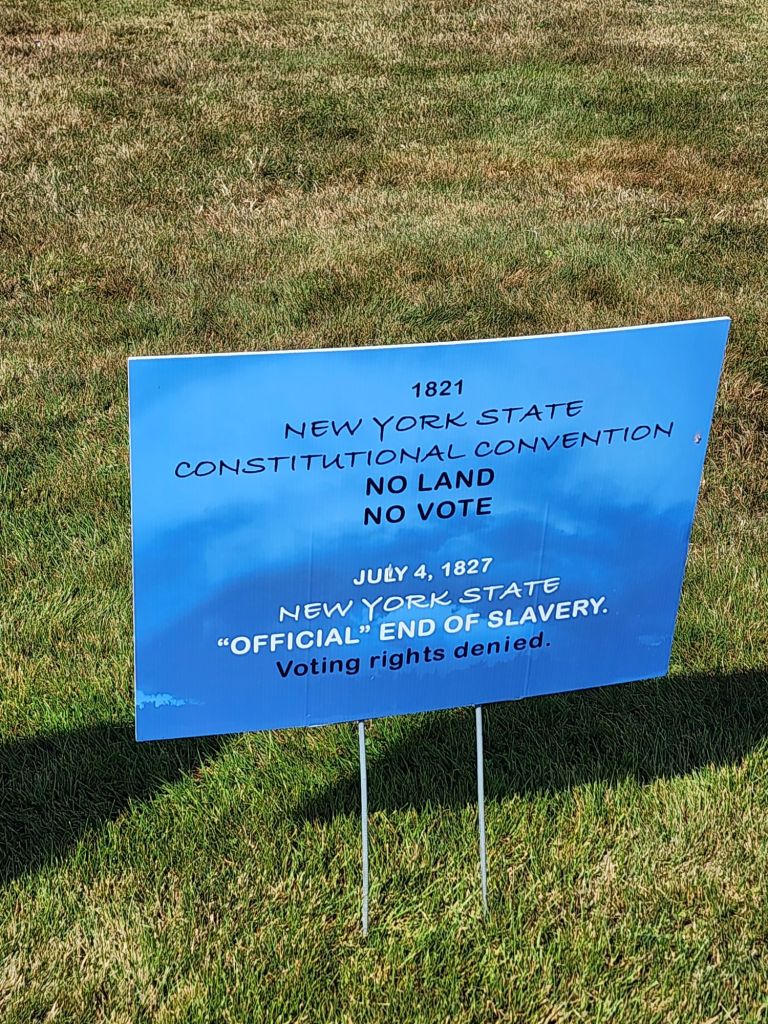
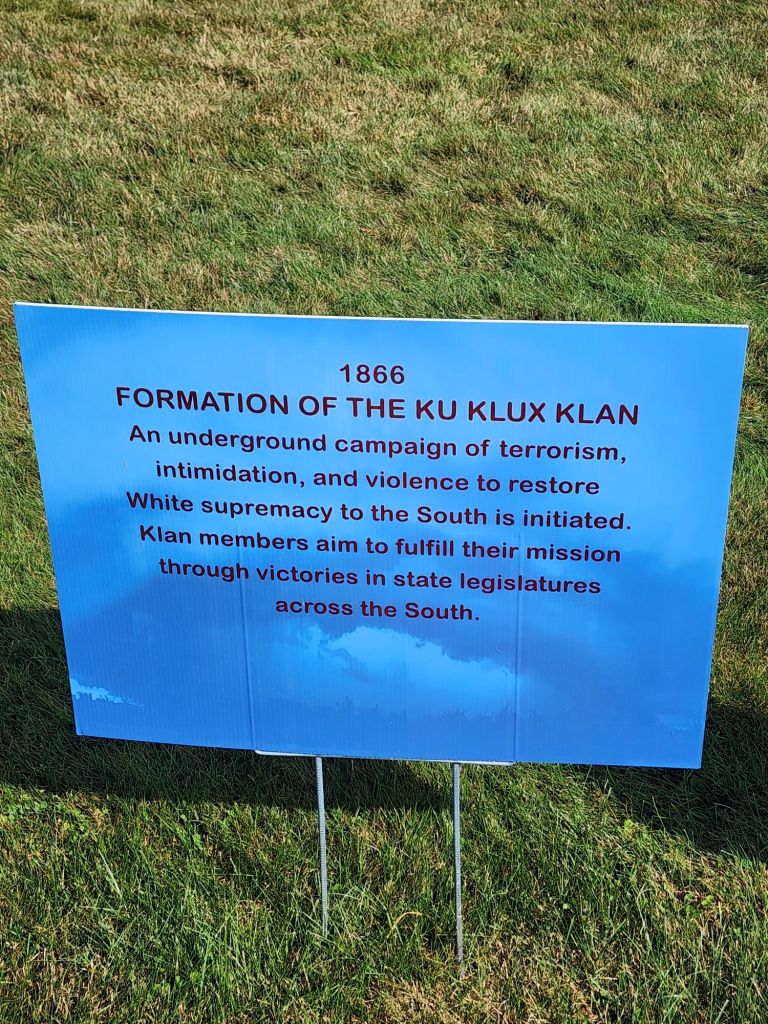
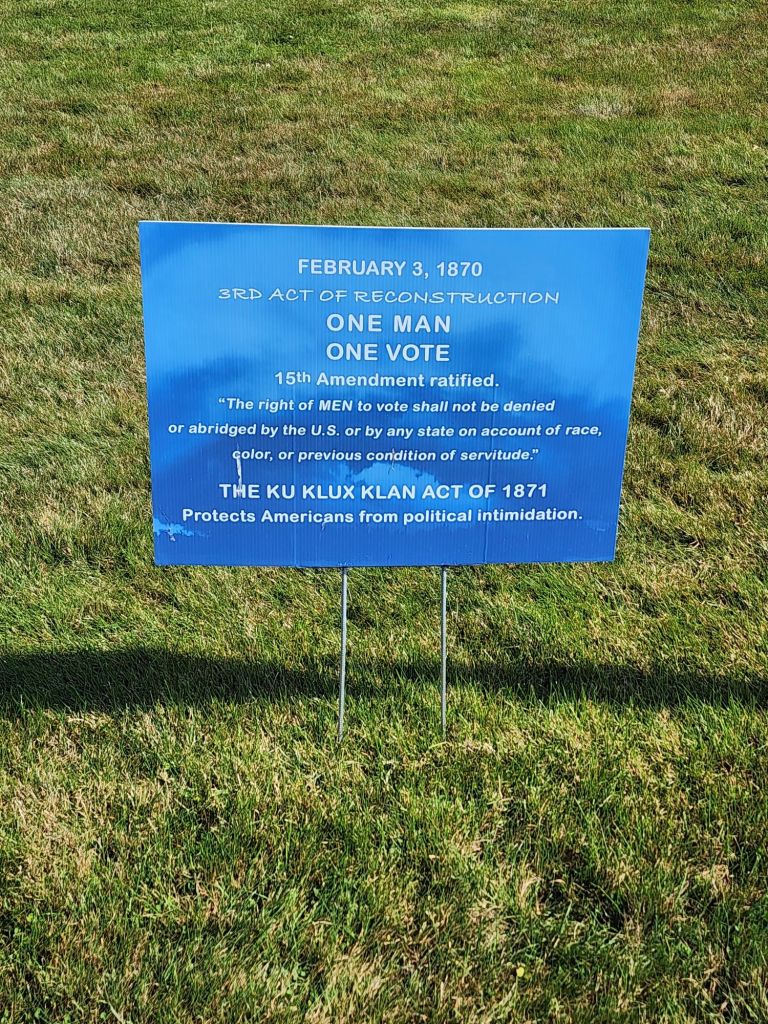
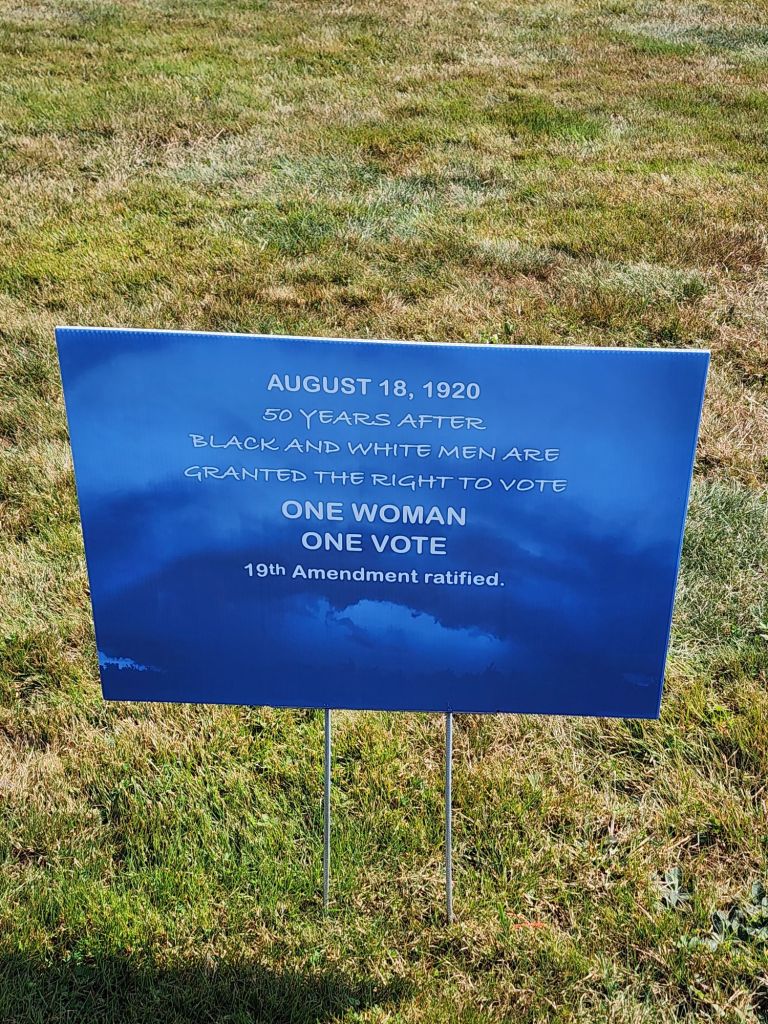
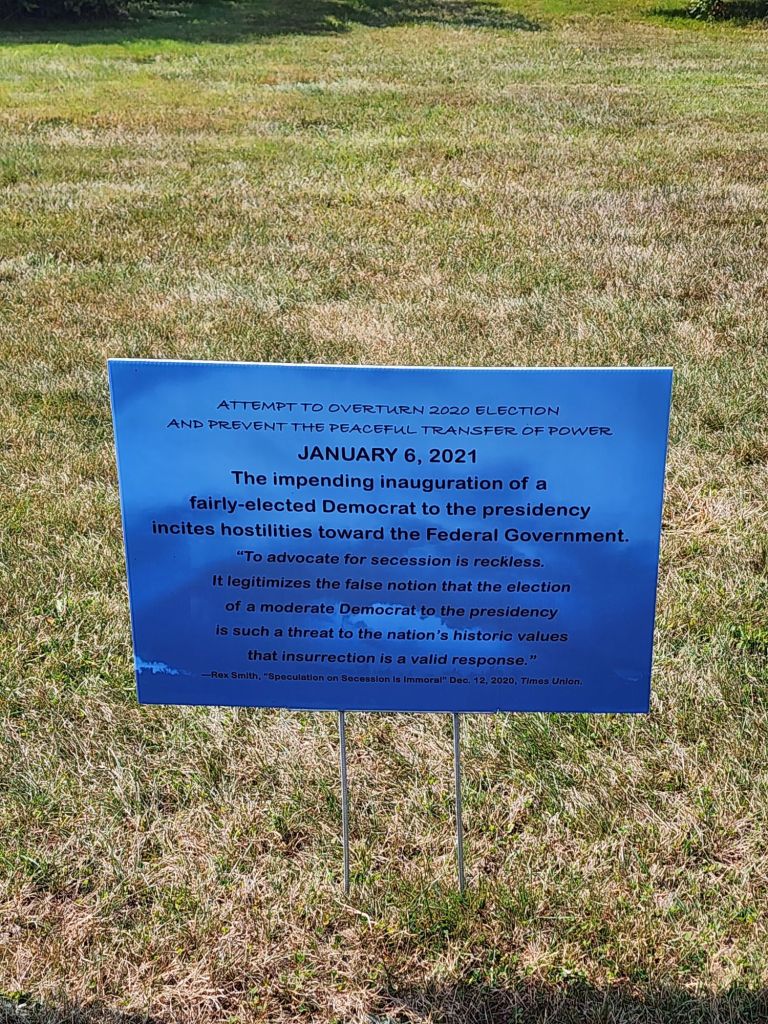
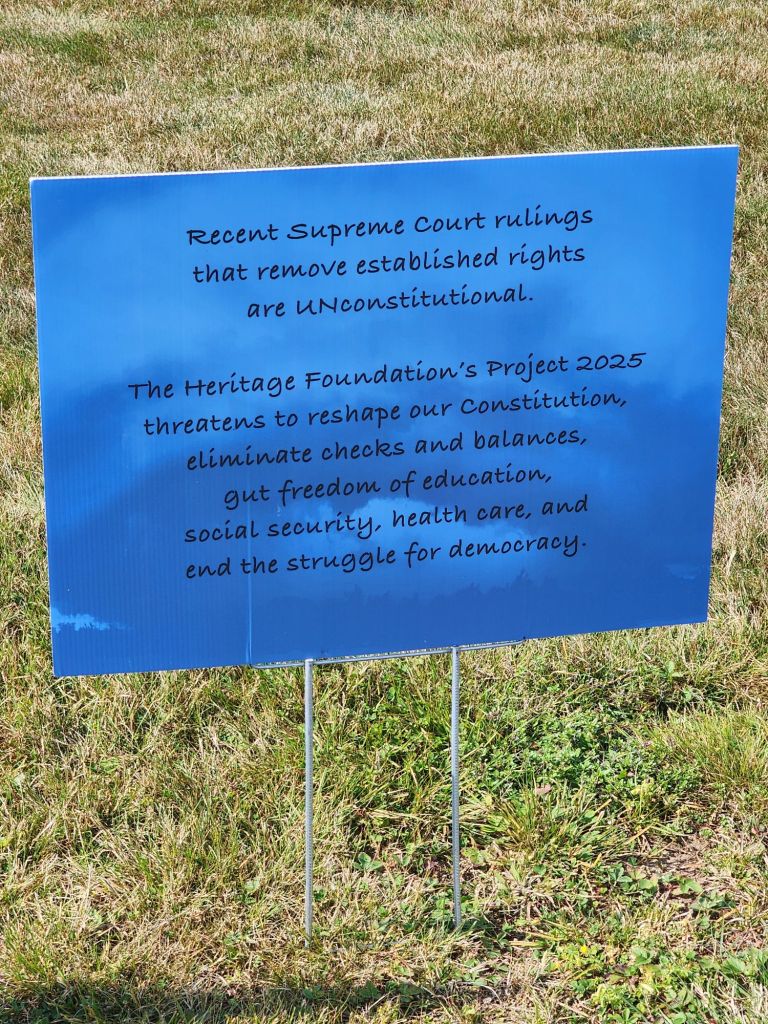
I’ve spent considerable time crafting this review of Tuesday night’s debate between Kamala Harris and Donald Trump, carefully fact-checking and doing my usual due diligence, but also reflecting deeply on what’s truly at stake this November—for me and millions of Americans. This past weekend, I visited John Brown Farm in Lake Placid. There, a statue of Harriet Tubman stands tall—a powerful symbol of the relentless struggle for freedom and dignity for ALL, regardless of race or gender. Nearby, an exhibit traces the grueling history of voting rights, beginning in 1787, and the hard-fought battles that eventually extended those rights to people of color and women. As I read the history on display, the words struck me profoundly, underscoring the grave threats we now face to those precious, hard-won freedoms.
What I Took from the Debate…
The Harris-Trump debate highlighted the central issues that are fracturing the nation—reproductive freedom, immigration, the economy, racial identity, election integrity, and Project 2025. The intense exchanges made it clear that the 2024 election is not just a contest of policy directions but a critical referendum on the deep-seated cultural and ideological divides within the U.S. The outcomes of this election will determine whether these issues are addressed constructively or if the country will be driven further apart.
Harris emphasized the broad, bipartisan support her candidacy has garnered, including endorsements from 200 Republicans who have worked with Presidents Bush, Romney, and McCain, such as former Vice President Dick Cheney and Congresswoman Liz Cheney. Veteran Republican strategist Charlie Black summed up the situation succinctly: “Trump should be talking issues, not throwing personal insults all over the place. But he won’t do that. He doesn’t appear capable of it.”
So, what? Does my vote matter? What does a vote for Trump truly mean?
A vote for Trump in 2024 risks undoing the hard-won rights and freedoms that countless Americans have fought for over generations, especially for those who have historically been excluded from power. The history of the U.S. is deeply marked by the exclusion of anyone who wasn’t a white male landowner from basic rights—voting, holding office, or even living free from violence and oppression. It took centuries of struggle, from the abolition of slavery to the Civil Rights Movement, for women, Black Americans, Indigenous people, and other marginalized groups to finally begin claiming their rightful place in American democracy.
Trump’s track record—characterized by attacks on voting rights, reproductive freedom, and the promotion of racial division—signals a troubling shift backward. His policies have consistently harmed non-white communities, eroded women’s autonomy, and threatened the protections won through civil rights movements. A vote for Trump could pave the way for a return to systems of inequality, where the privileges of the few are preserved at the cost of the many, where extremist groups like the KKK and Proud Boys will get the green light to instigate chaos and harm. Under his leadership, America risks regressing into a time when freedom, equality, and justice were reserved for a select group, jeopardizing the progress made toward a more inclusive and just society.
With that said, let’s delve into the key issues from the debate. My personal thoughts are italicized, while facts or additional information are both italicized and highlighted.
Women’s Rights & Abortion
The debate over women’s rights and abortion remains one of the most emotionally charged issues in American politics. During the recent debate, Harris delivered a powerful critique of the current state of reproductive rights in the U.S., vividly describing women “bleeding out” in parking lots due to restricted access to reproductive and family services. “One does not have to abandon their faith or deeply held beliefs to agree that the government—and Donald Trump, certainly—should not be telling a woman what to do with her body,” Harris argued, highlighting the severe consequences of restrictive policies. She raised poignant questions about the fairness of forcing a 12 or 13-year-old survivor of incest to carry a pregnancy to term or women who want to carry a pregnancy to term, but suffer a miscarriage, being denied care in an ER as the medical professionals are afraid due to the risk of imprisonment for making life-saving decisions.
Trump’s abortion bans (arising from Roe vs. Wade being overturned) have led to more than 20 states criminalizing doctors and nurses for providing essential healthcare, with one state even imposing life imprisonment for such actions— many without exceptions for rape or incest. Despite this reality, Trump claimed he supports exemptions in cases of rape, incest, or when the mother’s life is in danger, but avoided addressing whether he would back a national abortion ban. Instead, he shifted the responsibility to individual states, sidestepping any clear position on the issue.
When the moderator asked Trump, “Why should women trust you?” he sidestepped the issue, deflecting responsibility to “legal scholars” and the Supreme Court, making no mention of women in his response. Trump falsely claimed that Democrats support abortions “in the ninth month” and accused them of “executing babies” after birth. This was immediately fact-checked by an ABC moderator, who clarified, “There is no state in this country where it is legal to kill a baby after it’s born.”
As a woman and a future mother, I firmly believe that the government—or any man—should not dictate what I can or cannot do with my body. While I may have personal reservations about abortion, I maintain that the right to make such a decision should be mine alone, not influenced or decided by a man, the government, and especially not Trump who is known for his misogynistic, narcissistic behavior.
Immigration
Immigration took center stage as a contentious issue during the debate, with neither candidate stating a clear plan on how they plan to address immigration. Trump revisited his tough stance on immigration, a signature issue from his 2016 campaign. Trump’s rhetoric included accusations that immigrants are responsible for a rise in crime and are “destroying our country,” despite FBI data indicating that overall violent crime rates are decreasing. Research shows that immigrants are LESS likely to commit crimes than the U.S.-born people. When confronted with this data, Trump dismissed it as false, sticking to his narrative.
Harris responded sharply to Trump’s claims, highlighting the irony of his position given his own legal troubles. “I think this is so rich,” Harris said, “coming from someone who has been prosecuted for national security crimes, economic crimes, and election interference, has been found liable for sexual assault, and faces a major court appearance in November.”
Trump questioned why the U.S. should accept people from “shithole” countries such as Haiti and African countries. Additionally, Trump (again sought to) spread a debunked claim, alleging that Haitian immigrants in Springfield, Ohio, were involved in “eating the dogs, the cats, and the pets of people who live there.” In response, one of the debate moderators intervened to correct the record, stating, “There is no evidence to support the claim that immigrants are engaging in such activities.” Harris used this moment to emphasize the dangerous consequences of spreading such baseless claims.
In contrast, Harris emphasized the need for immigration reform rather than resorting to fear-based rhetoric. Harris acknowledged the reality of the immigration issue, advocating for a collaborative approach to fix what she called the broken immigration system. She reiterated, that the Biden administration had a strong bipartisan border reform bill (the Border Act of 2024), but Trump urged many congressional Republicans to reject the bill (which he openly takes credit for). Harris shared how Trump would “prefer to run on a problem rather than fixing a problem.”
[More info on the $118B Border Security Bill: The $118 billion bill, if passed (although unlikely), would have led to the most significant changes in U.S. immigration and border policy in decades. Outside of immigration, the bill also includes aid for Israel and Ukraine, tying foreign assistance to immigration reform to gain enough Republican support to pass through the divided Congress. However, House Republicans declared the bill dead on arrival due to the persistence of Trump’s team, and over 20 Republican senators believe the measure isn’t tough enough. “Donald Trump would rather keep the chaos at the border so he can exploit it on the campaign trail instead of allowing the Senate to do the right thing and fix it,” said Senate Majority Leader Chuck Schumer.
Outside of aid for Ukraine and Israel, the proposed immigration bill would increase frontline border personnel, asylum officers, and detention beds, expanding the capacity to 50,000 from the current 34,000. It would also aim to end the controversial “catch-and-release” policy by expediting asylum decisions, ensuring faster outcomes rather than releasing migrants to stay in the U.S. for years while awaiting hearings.
Additionally, the bill would prevent individuals who attempt to cross the border illegally more than twice during a declared emergency from re-entering the U.S. for one year. It allocates $440 million for hiring additional immigration judges and improving court efficiency to speed up case processing.
The bill also includes funding to combat human trafficking, enhance border security, help the FBI with its backlog of DNA samples from migrants, and dismantle criminal cartels. Changes to the asylum process would shift some decisions to asylum officers rather than immigration courts, addressing the long-standing backlog.
To combat the flow of fentanyl, the package incorporates Sen. Tim Scott’s FEND Off Fentanyl Act, authorizing sanctions against entities involved in the distribution of the deadly opioid. It also provides a path to permanent legal status for Afghan nationals evacuated after the U.S. withdrawal in 2021.]
While something clearly needs to be done to address the challenges of immigration, the answer lies in a balanced approach, not further division. Immigration policies should focus on securing the border while ensuring humane treatment of those seeking asylum. This means enhancing border security and streamlining the immigration process, while addressing root causes such as economic instability and violence in home countries. Reform should also prioritize legal pathways for immigrants and ensure the system is equipped to handle the complexities of modern migration without resorting to extreme measures that dehumanize or divide.
Economic Policy and Inflation
The debate on economic policy highlighted a stark divide between Harris and Trump, with each accusing the other of exacerbating inflation and economic issues. Trump proposed steep tariffs—20% on all foreign goods and 60% or more on Chinese products—arguing they would benefit the U.S. economy by shifting costs to other countries. However, economists warn that such tariffs would likely harm the economy by raising consumer prices as domestic manufacturers pass on increased costs. Trump claimed these tariffs would generate billions in revenue and compel other nations to contribute more to the U.S. economy, as “payback” for all the aid we have provided them over the years.
In contrast, Harris characterized these tariffs as a form of “sales tax” that would burden American consumers. She criticized Trump’s presidency as it “resulted in a trade deficit, one of the highest we have ever seen in the history of America.” Harris highlighted her administration’s focus on middle-class growth, improving wages, and alleviating the financial strain on working families. She discussed strategies to address the housing crisis and rising food prices, presenting plans for tax credits of $3,600 per child in low to middle-income families, mortgage assistance for first-time homebuyers, and measures to combat price gouging. Harris emphasized her goal of creating an “opportunity economy” where everyone can succeed, in contrast to Trump’s divisive rhetoric and misleading claims about the economic impact of his policies.
Trump, on the other hand, criticized the Biden administration’s handling of inflation and economic inequality. Harris again stated she “is not Biden.” Trump went on to claim credit for job growth during his presidency, despite making misleading statements about the current economic situation stating that there was “virtually no inflation” during his presidency (prices rose 7.5% over his time in office).
Harris countered Trump’s arguments by pointing out his tendency to divide and distract from real issues, including his perceived weaknesses in national security and foreign policy. She asserted that Trump’s admiration for dictators and his desire to consolidate power are well-documented. “It is absolutely well known that these dictators and autocrats are rooting for you to be president again because they’re so clear, they can manipulate you with flattery and favor,” Harris remarked, underscoring the broader implications of Trump’s economic and political stance.
Trump’s responses during the debate frequently deflected responsibility for economic issues, placing the blame squarely on Biden and his administration rather than reflecting on potential shortcomings in his own policies. This approach not only undermines constructive dialogue but also perpetuates a cycle of finger-pointing rather than problem-solving.
Economic challenges have indeed marked both Trump’s and Biden’s presidencies, with each administration facing its own set of circumstances and pressures. However, a meaningful debate should transcend mere blame and focus on addressing the real issues at hand. Instead of using the platform to criticize opponents and engage in personal attacks, candidates should utilize the opportunity to present well-considered plans and solutions (at least as much as can be said in a matter of minutes).
Race
Race was a significant and contentious topic during the debate. The discussion was punctuated by Trump’s recent controversial remark that Kamala Harris “happened to turn Black” a few years ago. When questioned by a moderator about the appropriateness of commenting on his opponent’s racial identity, Trump responded dismissively, stating, “I don’t. And I don’t care. I don’t care what she is. I don’t care. You make a big deal out of something. I couldn’t care less.” His response was seen as minimizing the impact of racial commentary and failing to address the deeper issues of racial sensitivity and respect.
In contrast, Harris criticized Trump for his longstanding divisive rhetoric on race. She recalled his inflammatory comments about the Central Park Five, a group of Black and Latino teenagers wrongfully accused of rape in the late 1980s, and his controversial questioning of former President Barack Obama’s citizenship. Harris framed Trump’s actions as part of a broader pattern of sowing division and promoting racial animus. “We all have the same dreams and aspirations and want a president who invests in those, not in hate and division,” Harris asserted, emphasizing the need for a leader who fosters unity and equality rather than perpetuating racial discord.
Election Integrity & The Insurrection
The discussion on election integrity and the insurrection highlights a profound divergence in how the integrity of democracy is perceived and upheld. During the debate, Trump was asked about his contentious claims about the January 6, 2021, insurrection at the U.S. Capitol. He downplayed his role in the events, arguing that his call for a “peaceful protest” had been misconstrued. Trump framed the insurrection as a reaction by his supporters to what he continues to assert was a stolen 2020 election, despite extensive evidence and numerous court rulings disproving these claims. Trump maintained his false narrative that he won the 2020 election, a belief that has fueled and justified the violent actions of his supporters. He described the insurrection as a legitimate form of protest, minimizing the severity of the violence and damage that resulted from the attack on the Capitol, which led to numerous deaths, injuries, and extensive destruction.
In contrast, Harris (and Biden’s administration) emphasize the importance of respecting the democratic process and the peaceful transfer of power, contrasting it sharply with Trump’s ongoing denial of the election results.
Trump’s downplaying of his role in the January 6th insurrection and his continued promotion of false claims about the 2020 election undermine the very foundation of democratic processes. By framing the violent attack on the U.S. Capitol as a legitimate protest and persistently asserting that the election was stolen despite overwhelming evidence to the contrary, Trump not only distorts historical facts but also erodes public trust in the electoral system.
This stance has significant implications for voting rights and the broader health of democracy. By perpetuating falsehoods and encouraging a narrative of election illegitimacy, Trump’s approach risks further destabilizing an already polarized political landscape. It can lead to increased voter disenfranchisement, undermine faith in democratic institutions, and justify violence or extremist actions. His rhetoric has already contributed to the normalization of election denialism and the undermining of lawful election outcomes, which are critical for maintaining a fair and functioning democracy. As the perception of election illegitimacy becomes widespread, it can (and already has started) led to efforts to pass restrictive voting laws under the guise of preventing fraud, even though such measures often disproportionately impact marginalized communities and undermine access to voting.
Project 2025
When asked about Project 2025, at Tuesday’s debate, Trump responded “I have nothing to do with Project 2025. I haven’t read it. I don’t want to read it purposely. I’m not going to read it.” Despite his claims of unfamiliarity, Project 2025 is actively endorsed by key figures from his previous administration, many of whom contributed to drafting the 900-page playbook for a potential second Trump term in partnership with the Heritage Foundation, a conservative think-tank that opposes reproductive rights (including abortion), LGBTQ+ rights, immigrants’ rights, and racial equity. Over 140 former Trump administration officials were involved in developing Project 2025, and nearly 240 individuals are linked to both Project 2025 and Trump through the creation of the project’s manifesto aimed at overhauling the executive branch to serve a conservative agenda.
Kevin Roberts, President of the Heritage Foundation and a former member of Trump’s 2016 transition team, has stated that the organization’s goal is to “institutionalize Trumpism” and described the current political climate as a “second American Revolution, which will remain bloodless if the left allows it to be.” The development of Project 2025 involves a broad network of Trump’s former allies and administration figures. Notable supporters and contributors include JD Vance (Trump’s 2024 VP pick), Steve Bannon (former White House Chief Strategist under Trump), Mark Meadows (former White House Chief of Staff under Trump), Stephen Miller (former Senior Advisor to President Trump), Michael Flynn (former National Security Advisory of the U.S. under Trump), Ben Carson (former U.S. Secretary of Housing and Urban Development under Trump), Paul Dans (former Chief of Staff of the Office of Personnel Management under Trump), Steven Groves (former Special Assistant to the President & White House Deputy Press Secretary under Trump), Jonathan Berry (former Chief Counsel to President-elect Trump transition team), Ken Cuccinelli (former Deputy Secretary of Homeland Security under Trump), Mandy Gunasekara (former Chief of Staff of the EPA under Trump), Mora Namdar (former Trump Acting Assistant Secretary of State), Peter Navarro (former Director of the White House National Trade Council under Trump), Betsy DeVos (former U.S. Secretary of Education under Trump), and Scott Pruitt (a former Admin of the EPA under Trump), among others.
Project 2025, supported by a faction of conservative leaders and influencers, aims to centralize power within the executive branch enacting extreme policies touching nearly every aspect of American life, from women’s rights and immigration, to free speech and justice. This initiative seeks to dismantle critical federal regulations and weaken agencies such as the Environmental Protection Agency (EPA), the Department of Education (DOE), the Department of Health and Human Services (DHHS) (renaming it the Department of Life), the Economic Development Administration (EDA), the Department of Justice’s (DOJ) Civil Rights Division, the U.S. Agency for International Development (USAID), Department of Homeland Security (DHS), and more. The manifesto plans to severely limit abortion access reviving a 19th Century law, carry out mass deportations and raids (e.g., end birthright citizenship, separate families and dismantle our asylum system), allow for warrantless surveillance of our data, violate the 1st Amendment be using federal law enforcement to target journalists and protestors against the conservative agenda, limiting voting access, censoring critical discussions on race, gender, and systemic oppression in the classroom (so basically eliminating world history), rolling back rights of LGBTQ+ communities and transgender rights, and more… By concentrating authority and reducing bureaucratic resistance, Project 2025 intends to expedite the implementation of conservative policies, prioritizing a narrowly defined vision of “freedom” over the comprehensive protections and rights historically fought for and finally afforded to (almost) ALL citizens.
What This Means…
248 years ago, America boldly declared its independence from a tyrannical king, championing the principles of liberty and self-governance. Today, however, there is a troubling echo of that historic struggle as Trump and his supporters seek to undermine the foundational ideals of democracy that define the U.S. Their actions and rhetoric suggest a radical departure from the core values of freedom and equality that the nation was built upon. This threatens to unravel the very essence of what America represents—the land of the free and the home of the brave. Rather than upholding the principles of justice and democracy, this movement risks dismantling the democratic institutions and protections that have been hard-won over centuries, casting a shadow over the nation’s commitment to being a beacon of liberty and opportunity for ALL.
Trump’s presidency, as envisioned by his supporters and the broader conservative agenda, threatens to undermine the legacies of pivotal historical advocates who shaped American democracy and progress. The Civil Rights Movement, led by figures like Martin Luther King Jr. and Rosa Parks, fought for racial equality and justice, yet Trump’s policies and rhetoric risk reversing these advances. The Suffragette Movement’s champions, including Susan B. Anthony and Elizabeth Cady Stanton, secured women’s right to vote, but Trump’s (and JD Vance’s) stance on women’s rights (and place in society) challenges this hard-won progress. Environmental advocates like Rachel Carson and Al Gore worked to protect the natural world and reduce climate change, yet Trump’s efforts to dismantle environmental regulations undermine their efforts. Immigration reformers (as well as advocates of equality), including Luisa Moreno, Chien-Shiung Wu, and Emma Lazarus, envisioned a compassionate approach to immigration, now at odds with Trump’s restrictive policies and racism. Moreover, the Founding Fathers’ principles of democracy and checks and balances are endangered by Trump’s consolidation of executive power. Collectively, these historical figures and movements have contributed to a more just and equitable America, and the current trajectory risks unraveling their legacies and reversing their hard-fought progress.
As we approach this pivotal election, your vote represents more than just a choice between candidates; it embodies a commitment to the core values that define our nation. Supporting Harris in this election signifies a stand for preserving and advancing the hard-won progress in civil rights, democracy, and social justice. It reflects a dedication to upholding the principles of equality, integrity, and compassionate governance. By casting your vote for Harris, you are choosing to safeguard the legacies of historical advocates who fought tirelessly for a fairer and more inclusive America. This election is a crucial moment to reaffirm our collective aspiration for a society where freedoms are protected, voices are heard, and progress continues. Your vote is not merely a mark on a ballot; it is a powerful declaration of your vision for the future of our country.
Make sure to VOTE wisely, as if YOUR life and that of your parents, children, brothers, sisters, partners, friends, neighbors, etc. lives depend on it (because for over half of the American’s it truly does)!