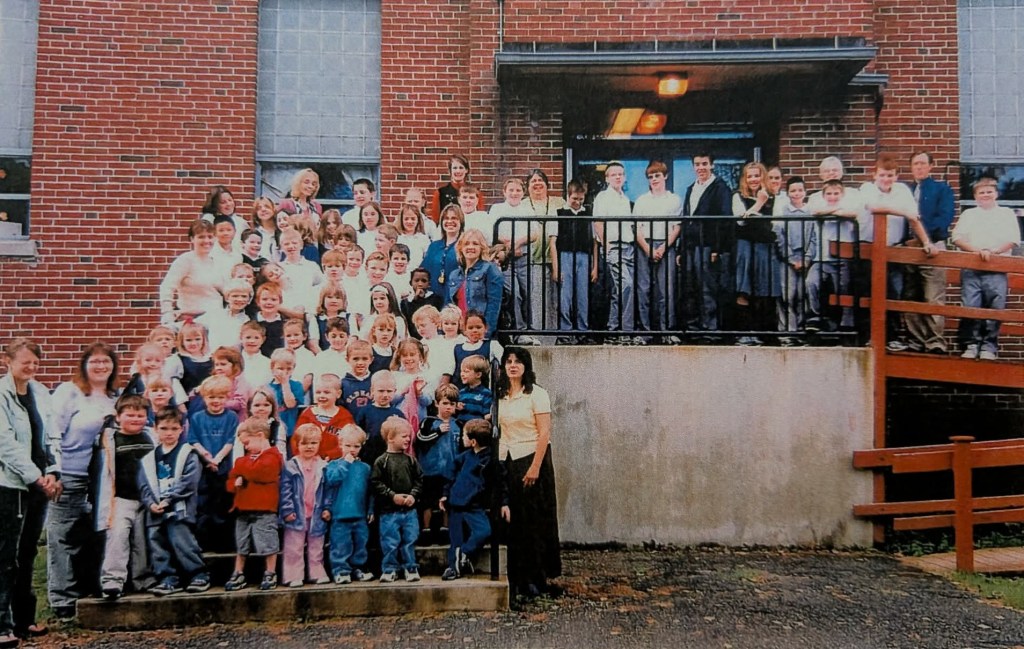
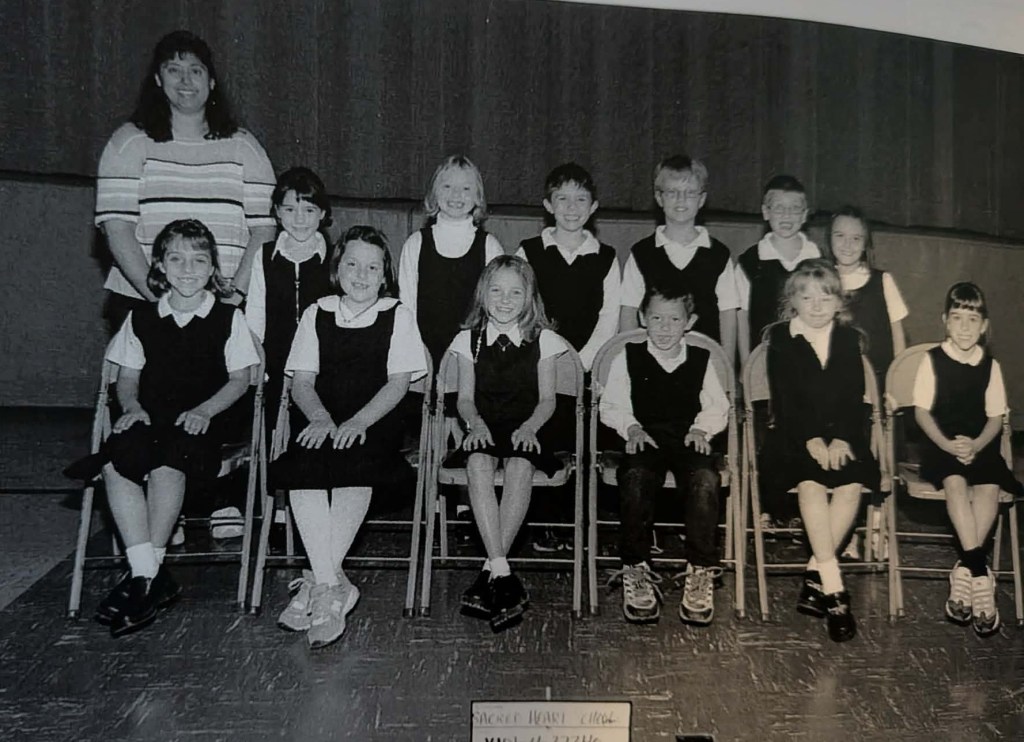
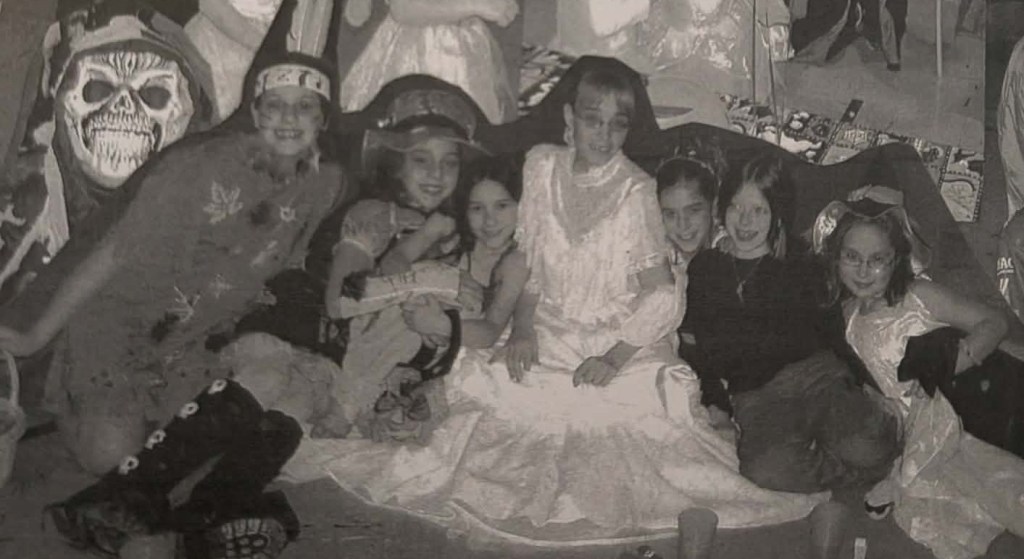
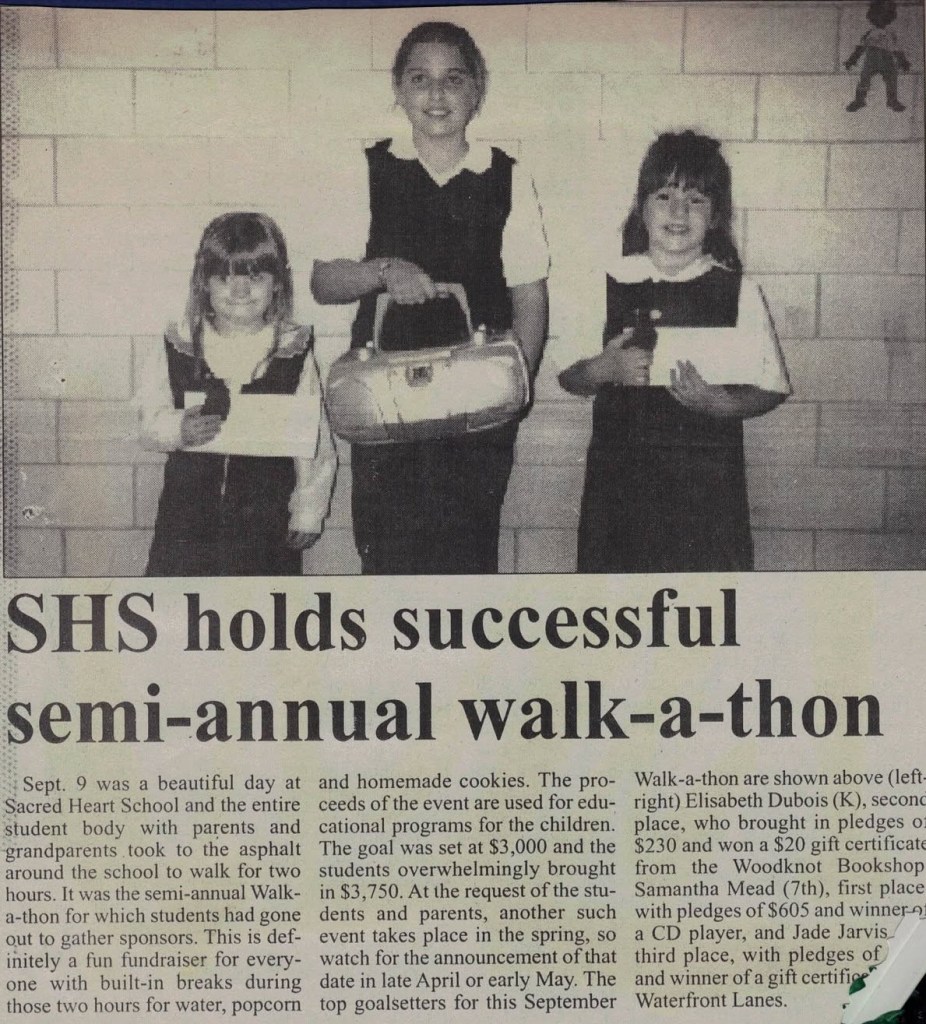
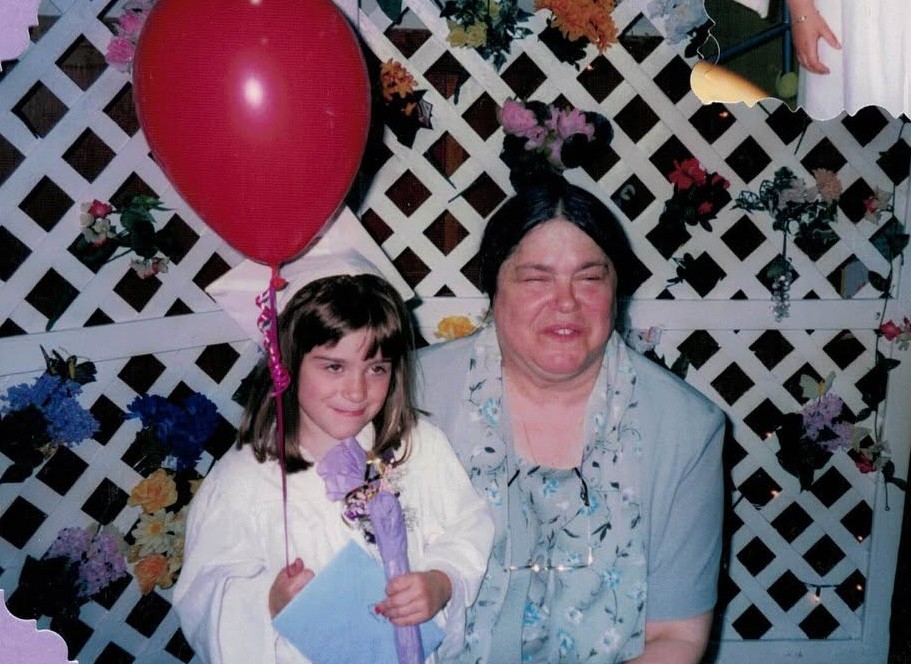
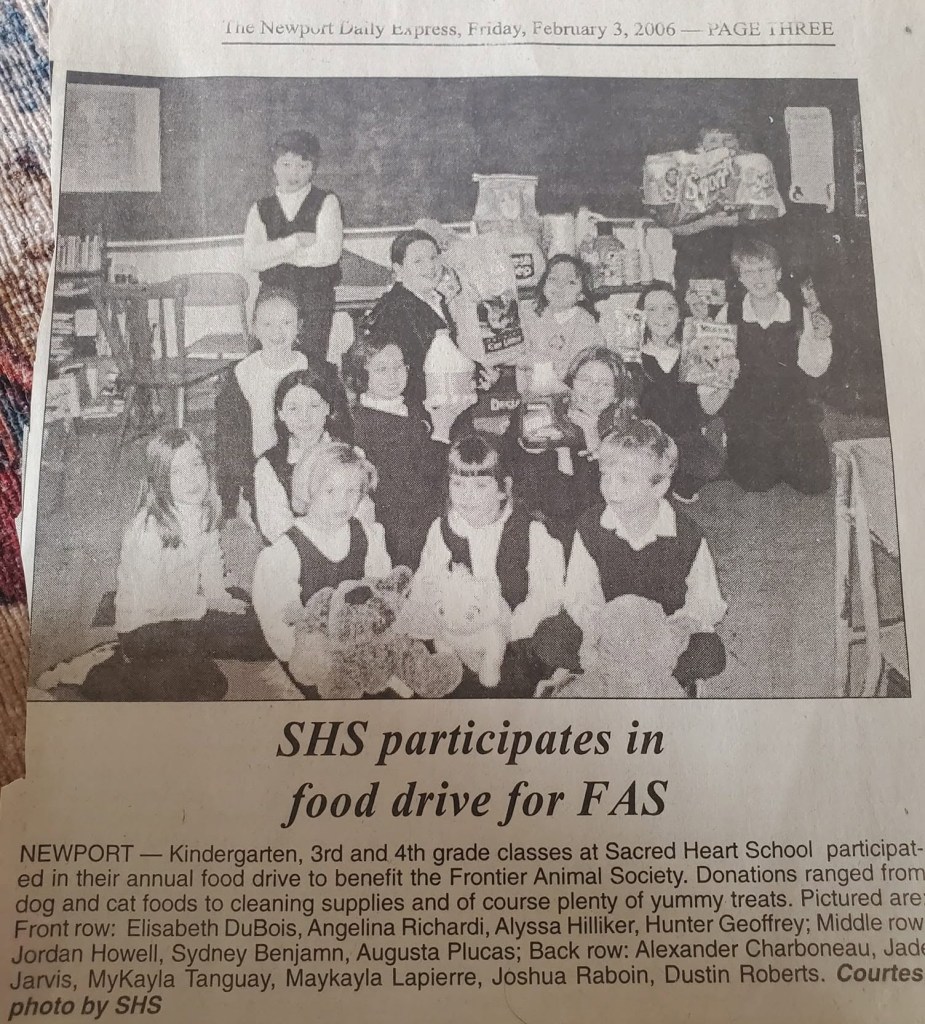
It’s hard to believe it has been nineteen years since Sacred Heart School closed its doors in Newport, Vermont. For those of us who were there, that August day in 2007 is difficult to forget. For a long time, I remembered it primarily for what was taken away: a school, friendships, familiarity, and a place that had felt like a second home.
At ten years old, I could not have understood that the closing of Sacred Heart would become one of the defining experiences of my life. I certainly could not have understood that some of the most important things Sacred Heart would teach me would come only after its doors were locked.
It taught me about faith. It taught me about community. It taught me to use my voice. And, perhaps most importantly, it planted the seeds of what would become a lifelong belief in service and philanthropy—the idea that when we are fortunate enough to have something to give, whether that is our time, talents, resources, or simply our willingness to care, we have a responsibility to use it to help others.
The Day Everything Changed
That morning in August 2007, I was ten years old and thinking only about summer winding down. Fifth grade was a few weeks away. I expected to return to the same classrooms, teachers, friends, routines, and community I knew.
Then my parents came home unexpectedly around lunchtime. Their eyes were red and puffy.
“What’s wrong?” I asked.
“Your school is being shut down,” they told me.
I remember trying to understand what those words meant. Shut down? For good? Why? Could somebody stop it?
Within minutes, we were in my dad’s Toyota. The usual ten-minute drive seemed endless. I stared out the window wondering whether my friends were already at school and what would happen to our desks, books, art projects, and all the ordinary little things that make a place feel like yours.
When we pulled into the parking lot—the same asphalt where I had rather unsuccessfully learned to play hopscotch—two police cars were outside.
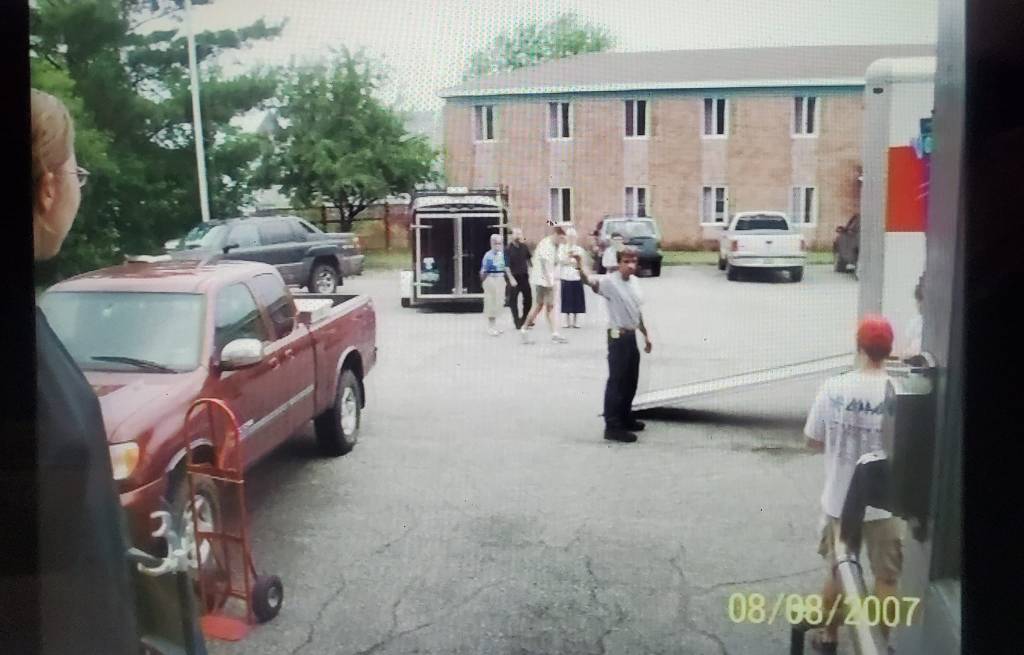
Inside, there was organized chaos. Students, parents, and teachers carried boxes of supplies and personal belongings from the building. My classmates and I helped load whatever we could into cars and a U-Haul.
It felt like we were dismantling our second home piece by piece.
Eventually, a gray-haired police officer stopped us at the stairs.
“The school is closed. You can’t go back in,” he said.
And the doors were padlocked.
I ran into my mother’s arms. I wanted to know why. She explained that the Daughters of Charity were closing the school because the lease was up. There were undoubtedly financial, organizational, and institutional realities that my ten-year-old mind could not comprehend.
But children do not experience loss through balance sheets or organizational decisions.
They experience it through the empty desk where their friend used to sit. They experience it through the teacher they will not see again. They experience it through a padlock on a familiar door.
At ten years old, my broken heart needed someone to blame.
So I grabbed my friend’s hand and marched toward the sisters. I was angry, frightened, and probably far bolder than I had any business being.
“Who gave you the right to shut down our school? It’s not right,” I demanded.
Their response, as I remember it, was brief: “We wanted to.”
I walked away without the explanation I wanted. But nineteen years later, I understand that the significance of that conversation was never really about the answer.
It was about finding my voice.
Faith When You Don’t Understand
Every family received a farewell letter when Sacred Heart closed. Across it were words I would carry with me for years:
“All for the Glory of God.”
At ten years old, those words were difficult to reconcile with what had happened.
How could something that hurt so much possibly have anything to do with the glory of God?
That is a complicated question for a child. In many ways, it remains a complicated question for an adult.
But my understanding of faith has changed considerably since then.
I have come to believe that faith does not mean everything happens the way we want it to. It does not mean that every loss makes sense, that every decision is fair, or that God shields us from disappointment.
Sometimes faith is what remains when none of it makes sense.
And sometimes we do not see God’s presence in the thing that happened. We see it in what grows afterward.
I kept that Sacred Heart letter.
It traveled from childhood bedrooms to college dorms and through the many chapters of my life. It was tucked away during long nights of studying, moments of doubt, setbacks, accomplishments, and all the times I wondered whether I was capable of whatever challenge stood in front of me.
Years later, it was still with me when I defended my doctoral dissertation.
There was something profound about looking again at those words—All for the Glory of God—after traveling so far from the frightened ten-year-old girl standing outside a padlocked school.
Maybe God’s plan was never contained within the walls of Sacred Heart.
Maybe part of what I was supposed to carry from that place was what Sacred Heart had already put inside me.
Sacred Heart Taught Me Community
When I think about Sacred Heart today, I don’t primarily remember a building.
I remember people.
I remember teachers who knew their students and families who knew one another. I remember classmates, school activities, faith, traditions, expectations, and the feeling that we belonged to something together.
Sacred Heart gave me one of my earliest experiences of what true community could look like.
And losing that community taught me something equally important: community cannot be taken for granted.
Buildings close. Organizations change. Programs lose funding. People move away. Institutions that seem permanent sometimes disappear overnight.
Community survives only when people choose to sustain it.
That lesson has followed me throughout my life and has shaped much of the community and nonprofit work I have chosen to undertake.
I have learned that strong communities do not happen accidentally. Someone volunteers. Someone organizes the meeting. Someone writes the check. Someone stays late. Someone makes the phone call. Someone mentors the child. Someone serves on the board. Someone notices a need and decides that waiting for somebody else to solve it is not good enough.
Most meaningful change begins with ordinary people deciding, I can help.
Sacred Heart Taught Me Philanthropy
As a child, I thought philanthropy meant wealthy people writing enormous checks.
As an adult, I understand it very differently.
Philanthropy is generosity with purpose.
Money matters, of course. Organizations cannot operate on good intentions alone. But philanthropy is also giving your time when your calendar is already full. It is sharing professional skills with an organization that could never afford to hire you. It is mentoring someone, serving on a board, organizing a fundraiser, connecting people who can help one another, advocating for a cause, or simply showing up consistently.
Sacred Heart helped plant that understanding long before I had the language for it.
When something you value disappears, you begin to understand the importance of supporting the things you do not want your community to lose.
That realization has influenced the way I approach service today. When I see an organization, a community initiative, or a person trying to build something worthwhile, my first instinct is often to ask: What can I do to help?
Not because I believe one person can solve every problem.
But because I learned very young what happens when something important disappears.
And I learned that caring about something is different from investing in it.
If we want strong schools, nonprofits, community organizations, recreational opportunities, cultural institutions, and places where people feel connected, then we have to participate in creating and sustaining them.
We cannot simply assume someone else will.
Finding My Own Foundation
The closing of Sacred Heart also changed my personal path.
My classmates scattered to different schools, and I entered a public school environment that felt completely foreign. The transition was difficult. I struggled academically, socially, and emotionally. I encountered teachers who underestimated me, established friend groups where I was the outsider, and an environment very different from the small Catholic school community I had known.
Eventually, I realized that I could not wait for another institution to recreate the security Sacred Heart had given me.
I had to build my own foundation.
I learned to advocate for myself. I learned to ask questions. I learned to work when no one was watching. I learned that other people’s expectations did not have to become my limitations.
By sixteen, I had enrolled full-time in community college courses while completing my high school diploma. Years later, that path would lead through undergraduate and graduate education and eventually to a Ph.D.
The ten-year-old standing outside Sacred Heart could never have imagined any of that.
But perhaps she did understand one thing.
When something matters, you fight for it.
Sometimes fighting means speaking up.
Sometimes it means working harder.
Sometimes it means serving.
Sometimes it means giving.
And sometimes it simply means refusing to walk away when your community needs someone to stay.
What “All for the Glory of God” Means to Me Now
Nineteen years later, I read those words differently.
All for the Glory of God.
Today, I don’t interpret them as meaning that God wanted a school to close or that every painful event should be explained away as part of some simple divine plan.
I see them instead as a challenge for what we do afterward.
What will we do with the education we receive?
What will we do with the opportunities we are given?
What will we do with our careers, talents, resources, connections, and voices?
Will we use them only to build our own lives, or will we use some of them to build something for someone else?
For me, that is where faith, community, and philanthropy intersect.
Success means more when it creates opportunity for another person. Education means more when knowledge is shared. Leadership means more when it is used in service. And having a voice means more when we use it for people and causes that might otherwise go unheard.
I cannot reopen Sacred Heart School.
I cannot go back to August 2007 and remove the padlock from those doors.
But I can honor what that school gave me by helping build communities elsewhere.
I can volunteer.
I can give.
I can advocate.
I can connect people.
I can help build organizations and opportunities that might still be here nineteen years from now because enough people decided they were worth fighting for.
Nineteen Years Later
For years, I thought the most important lesson Sacred Heart taught me was how to stand up to authority.
That lesson remains. The ten-year-old who marched across that parking lot demanding answers is certainly still part of me.
But nineteen years later, I think Sacred Heart’s greater lesson was about responsibility.
If you love a community, participate in it.
If you believe in a cause, support it.
If you have been blessed with opportunities, create opportunities for others.
If you have a voice, use it.
And if something you once loved disappears, do not allow the loss to make you cynical. Let it teach you how important it is to help preserve, strengthen, and build the things that remain.
Sacred Heart closed its doors nineteen years ago.
But in a strange and beautiful way, its lessons never left me.
They followed me into classrooms and boardrooms, into volunteer work and community projects, through moments of failure and achievement, and all the way to the day I defended my dissertation, bought my home, said “I do” – all with that farewell letter nearby.
At ten years old, I thought Sacred Heart had been taken from me.
At (almost) twenty-nine, I understand that I carried it with me.
And perhaps that is what “All for the Glory of God” means to me today: take what you have been given—even the difficult parts—and use it to leave something good behind.

